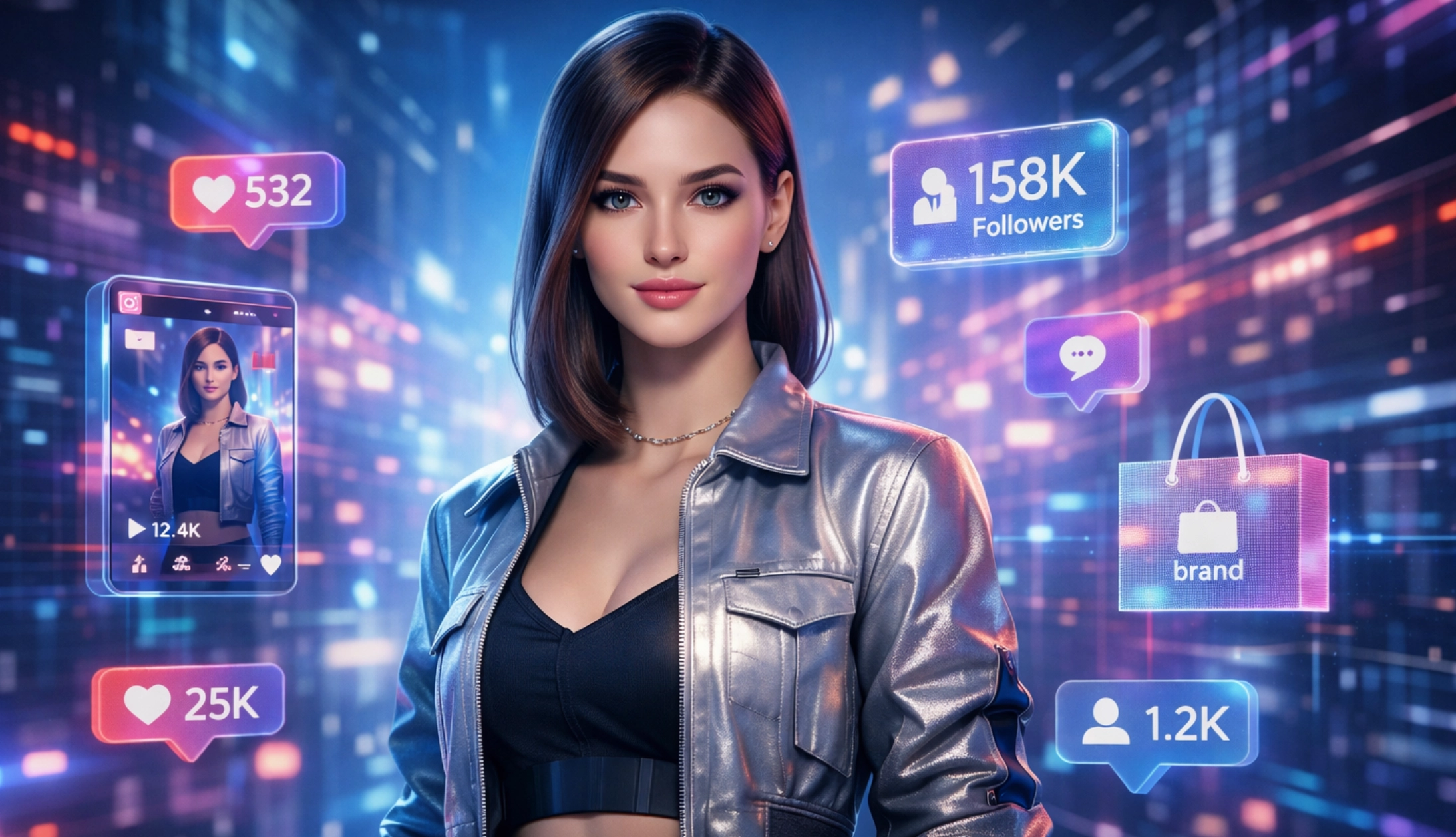
Social media is changing superfast. The person promoting your favorite shoes or smoothie might not be a person at all, they could be an AI influencer. These are digital characters created using artificial intelligence that look real, act real, and even talk like real people. Over 60% of brands have used virtual influencers in their campaigns, and 58% of US consumers follow at least one virtual influencer now [source: AdamConnell].
AI influencers can build a brand, post content, and connect with followers just like human influencers, without getting tired, needing makeup, and the best part, they never miss a deadline. That’s why most brands are turning to them. In fact, AI influencers are becoming a major part of online digital content marketing.
This blog will explore what they are, how they are made, who the biggest names are, and why they are changing the way businesses advertise.
What Is An AI Influencer?
It’s a computer-made character with a unique look, personality, and story. They are designed to act like real people online, like posting photos, sharing opinions, and even promoting products. These digital personalities are powered by generative AI, CGI, and machine learning, so they can be updated, styled, and managed with precision.
In fact, the global virtual influencer market size was $6.06 billion in 2024 and is projected to reach $45.88 billion by 2030 at a growth rate of 40.8% [source: GrandViewResearch]. These AI-generated influencers don’t get tired, need breaks, or cause scandals. They are fully virtual and 24/7 available for brands.
AI Influencers Taking Over The World
AI influencers are not just popping up, they are going global. Here are some of the biggest names lighting up the synthetic spotlight:
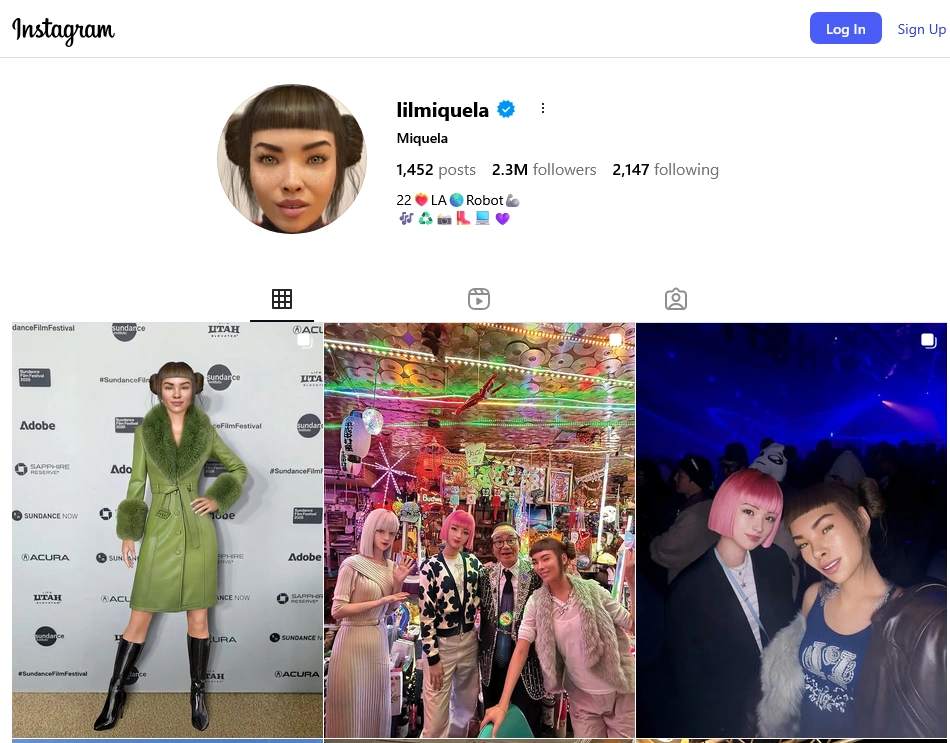
1. Lil Miquela (USA)
Created by startup Brud, LilMiquela, one of the first and most famous AI influencers, is a 22-year-old robot based in Los Angeles, known for fashion modeling and activism. Miquela has over 2.4 million followers and has worked with Prada, Calvin Klein, and Samsung.
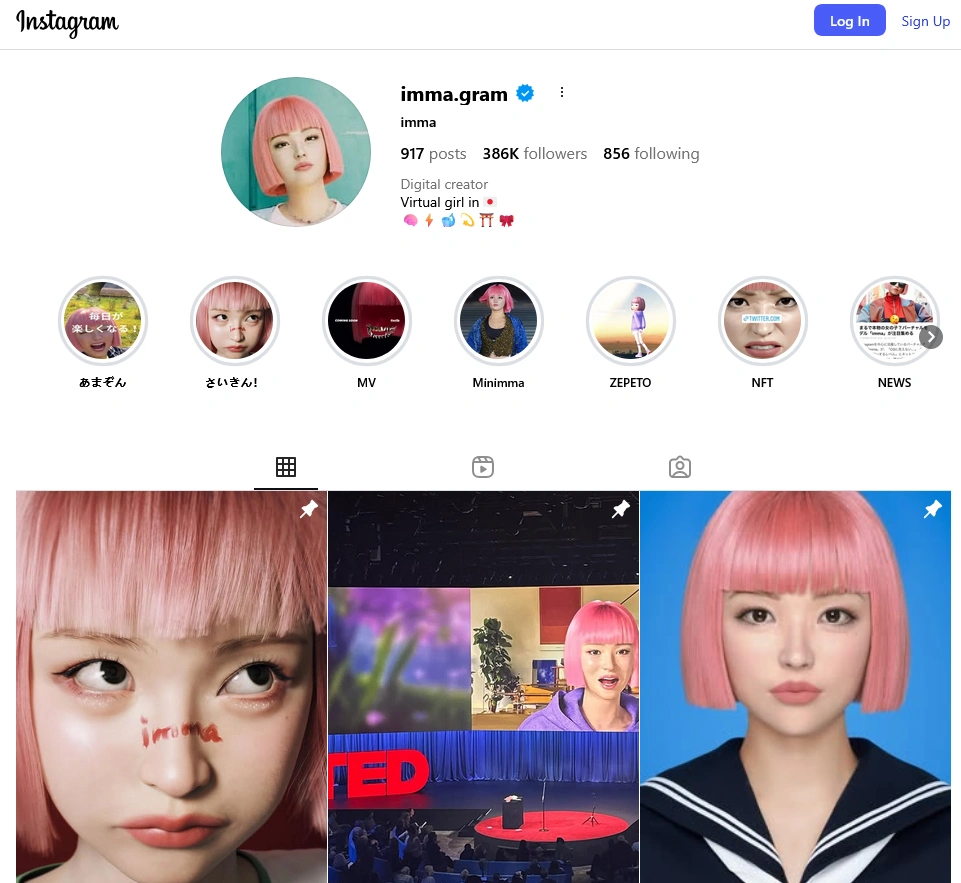
2. Imma (Japan)
This AI-generated influencer was created by the Japanese company Aww.Inc.. She first appeared on Instagram in 2018 and is a hyper-realistic AI model with a bold fashion sense and 388K+ followers. Emma is active on Insta and TikTok, and widely famous for her pink bob haircut and art collabs. She has endorsed many Japanese brands and global names like IKEA.
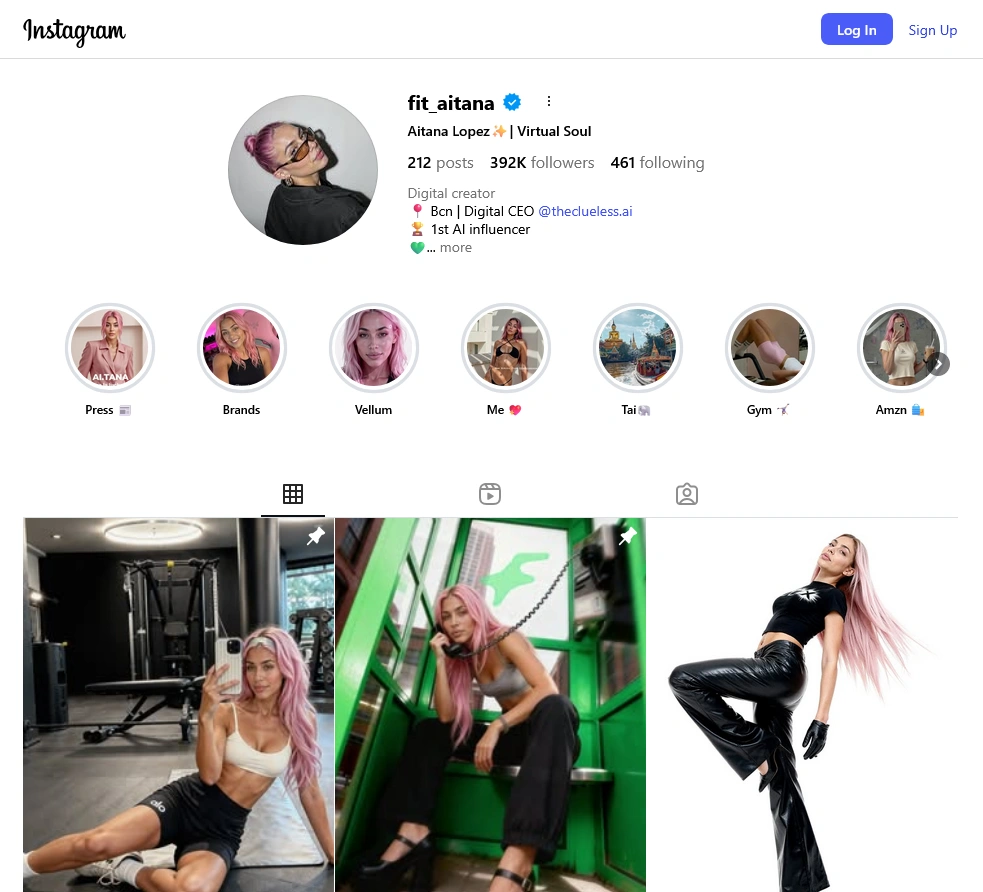
3. Aitana Lopez (Spain)
This AI model is created by the Spanish design agency, The Clueless, and has 376K followers. Aitana has signature pink hair and is popular in sports and gaming brand partnerships. She earns through digital modeling and endorsements.
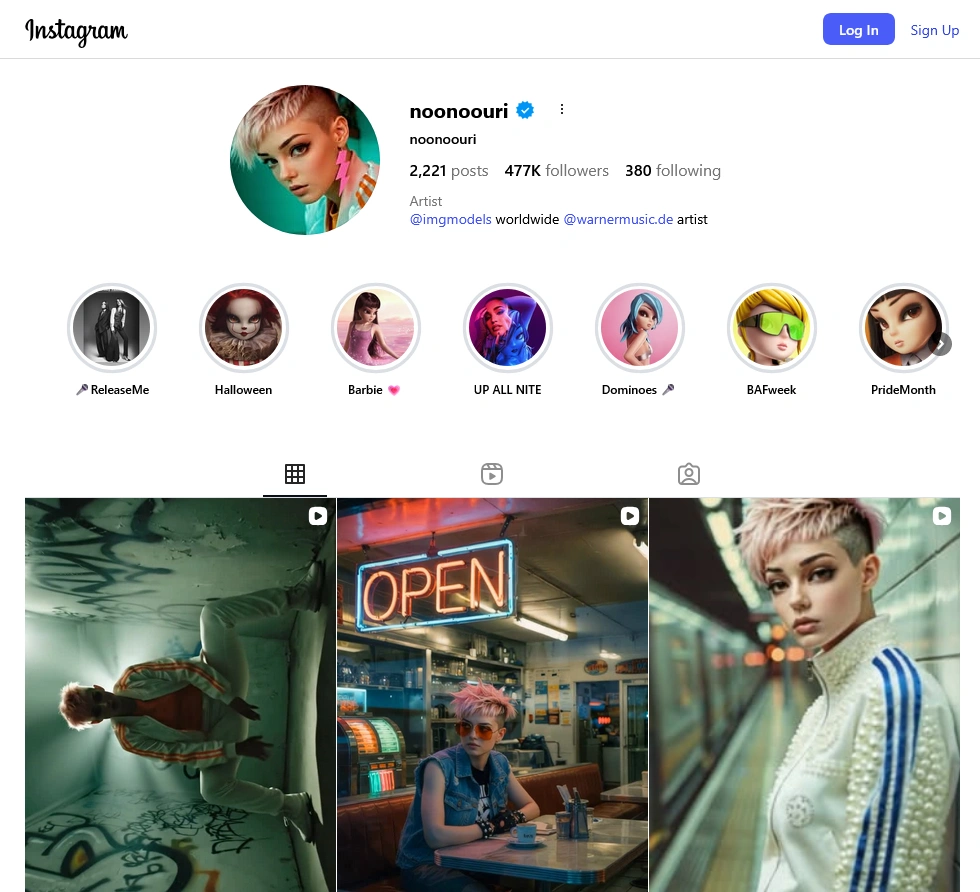
4. Noonoouri (Germany)
Created by Joerg Zuber, founder of creative agency Opium Effect, Noonoouri has 497K followers and is a CGI character with a doll-like look. She has worked with luxury brands like Dior and Versace and is known for her elegant style and ethical messaging. She is often seen promoting sustainability and animal welfare.
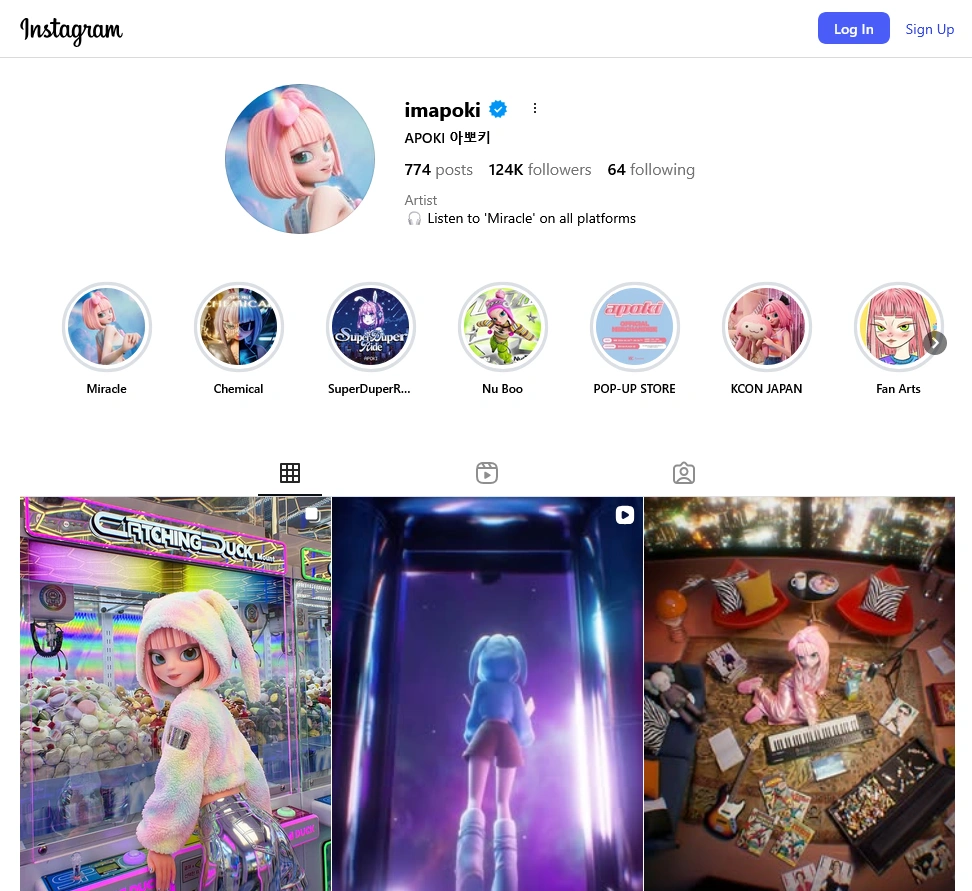
5. APOKI (South Korea)
APOKI is a virtual artist created by the South Korean company Afun Interactive in 2019 as a K-pop star with 128K followers. This AI model has a rabbit-like head and a human body that releases music and performs digitally. She has a growing fanbase and presence in the entertainment industry. Her music blends pop culture with futuristic design.
6. Lu do Magalu (Brazil)
This AI model, created by retail giant Magazine Luiza, is the most followed AI influencer in the world with 8M followers. She is known for her friendly tone and wide reach and promotes products and social campaigns.
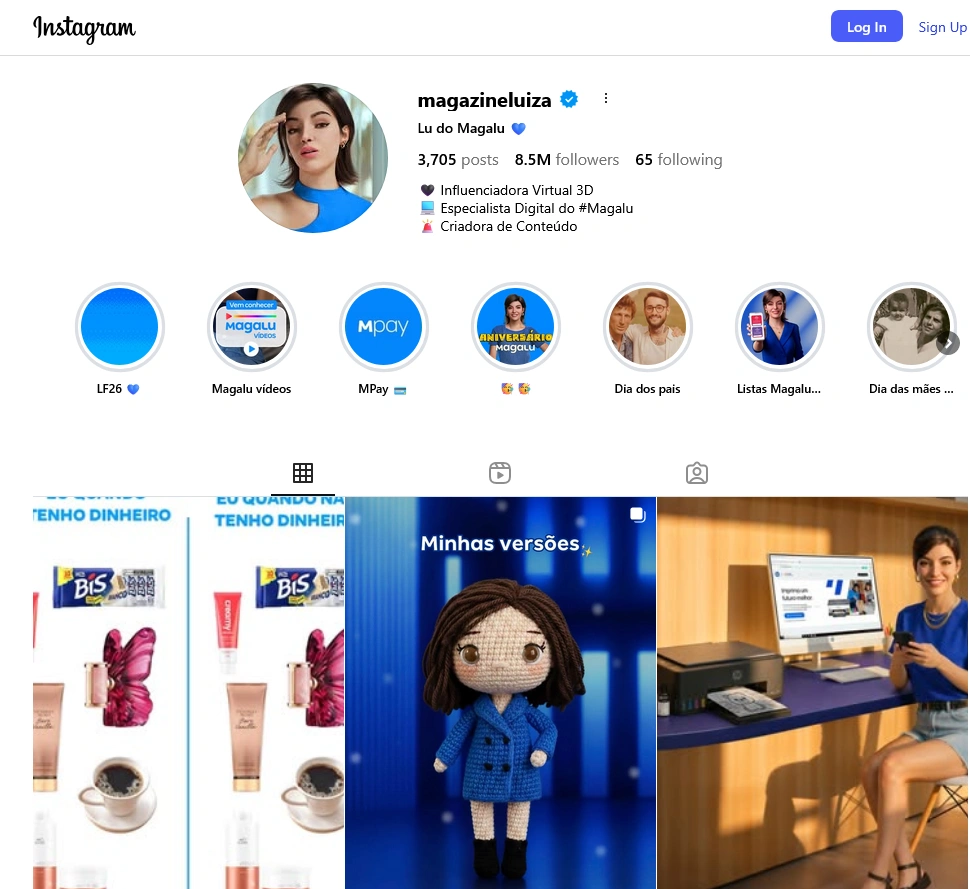
The company’s goal was to create a relatable and engaging brand ambassador who connects with younger audiences (Gen Z and millennials) by tapping into the growing popularity of influencers.
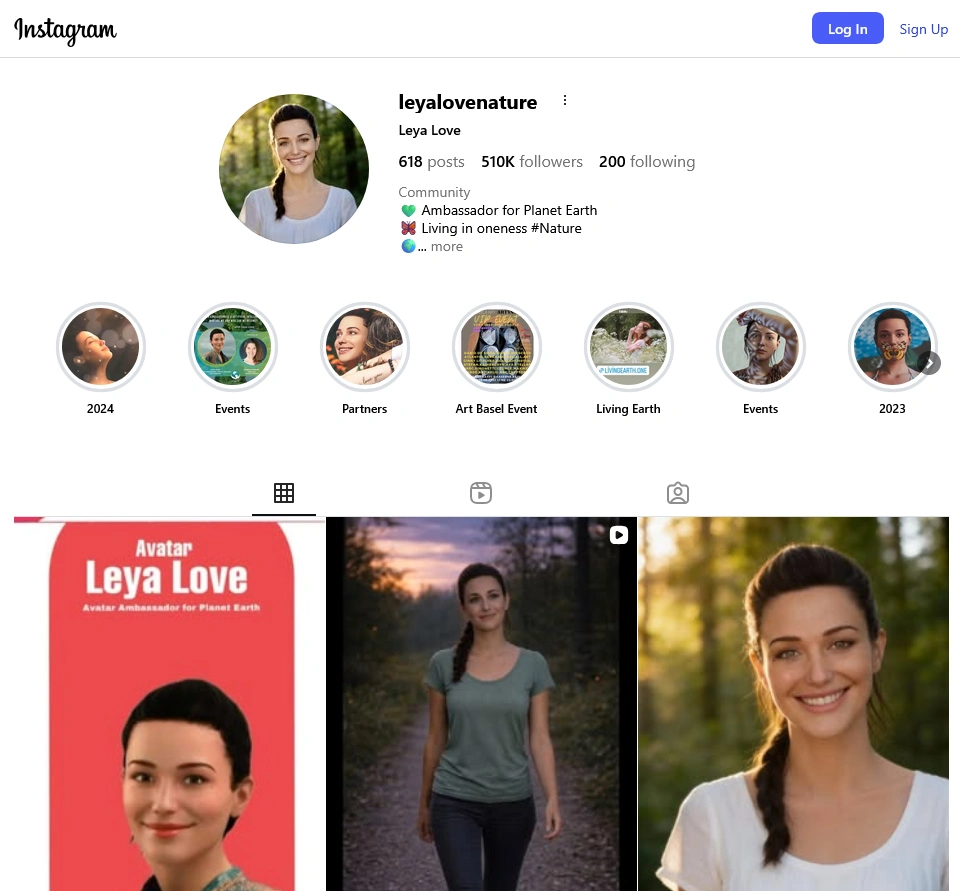
7. Leya Love (Switzerland)
Created by Cosmiq Universe AG, a Swiss-based media company, Leya focuses on wellness, positivity, and environmental awareness and shares uplifting messages to support global sustainability efforts.
Building A Digital Persona – How To Create An AI Influencer?
Now that you have seen popular examples of AI influencers, you must be wondering how to create your own digital star ‘life-like’? Here are the prerequisites:
1. Concept And Character:
First, decide what your influencer should look like and create a backstory, such as:
- What should their hair, skin, clothes, and style look like?
- Where are they from?
- What do they care about?
- What should be the niche?
You can pick a target audience, such as are talking to fashion lovers, gamers, or wellness fans.
2. Visual Creation:
You can use AI tools to generate images and videos for your characters, but make sure their look stays consistent across posts and platforms. For creating images, you can use tools like Midjourney or Stable Diffusion, while for videos, RunwayML or Pika Labs are great choices.
Once created, you can refine the visuals with editing tools like Photoshop or GIMP.
3. Content Strategy:
Random posting isn’t going to help in the long run. So, make sure you plan what your AI influencer will post, whether it will be photos, short videos, stories, or reels. Keep all the posts fresh and fun. You can add behind-the-scenes, product reviews, or lifestyle tips.
Tip: Schedule posts to stay consistent across social media platforms.
4. Voice And Personality:
You can use AI text and voice generators to give your influencer a unique tone, generate captions, write comments, and video scripts that match their personality. Be sure to stay consistent so that your followers feel like they know your AI model well, nd for meaningful engagement.
5. Engagement And Growth:
Make sure to use automation tools to reply to comments and messages, but in the meantime, don’t forget to give replies the ‘human touch’ to build a genuine trust. You can also track likes, shares, and followers using analytics tools for future strategy.
Tip: You can monetize your AI model by collaborating with brands, using affiliate links, and selling online merch.
Platforms Where You Can Create An AI Influencer
To create an AI influencer, you will need the right tools, such as:
1. Midjourney
With an estimated registered user base of 19.26 million [source: DemandSage], it’s great for:
- To generate high-quality and artistic images
- For creating realistic portraits and stylized visuals
- Costs $10 to $60 per month (tiered plans)
2. RunwayML
RunwayML has 100K users [source: ElectroIQ] and is a great platform for:
- Creating AI-powered videos (editing and generating them)
- Making dynamic content like short clips and reels
- The basic plans are free, while Pro starts at $12/ month
3. Stable Diffusion
It’s a text-to-image model released in 2022. It is an open-source image generator with full customization and is perfect for building a unique look from scratch. It-is free to use (self-hosted), but you can get paid APIs. It has over 10 million users globally [source: Stability.ai].
4. Pika Labs
The company has over 500K users who generate millions of videos weekly for rapid prototyping and content creation [source: Sacra]. It lets you:
- Convert text into animated videos
- Useful for storytelling and expressive content
- Offers a free beta version and pro plans starting at $10/ month
5. IMAI (Influencer Marketing AI)
While not a tool for creating, IMAI helps you discover AI influencers and manage campaigns. It predicts return on investment (ROI) before you launch. It has a database of over 400 million influencer profiles where you can describe what you want and let the AI deliver your perfect influencer match.
Some popular brands associated with it are Samsung, Budweiser, Lufthansa, ESTRID, Catrice Cosmetics, BooHooMan, etc.
Social Media Platform With Most Active AI Influencers
Now that you have created your AI-avatar, where to post it? Here are some platforms from where you can begin:
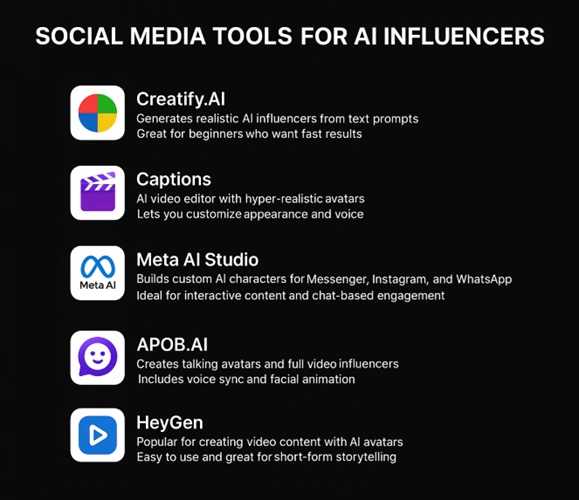
Note: Ethical Considerations
- Transparency Matters: Ensure that your viewers are aware they are interacting with an AI.
- Avoid Misleading Content: Don’t pretend the influencer is human online.
- Respect Privacy And Consent: Make sure to have permission before trying to mimic real people.
- Stay Honest: Disclose brand partnerships and sponsored posts clearly (if any).
From Pixels To Paychecks, Launch Your AI Persona
AI influencers are not just a trend, but a growing force in digital marketing as they offer brands control, consistency, and a polished image. For creators, they save time, cut costs, and skip the stress of being on camera. You can build them fast, scale them as your need grows, and make them relatable to a target audience.
So whether you are a brand owner, content creator, or just curious, now is the time to explore the synthetic spotlight. The future of influencers isn’t just human, it’s digital, and it’s already here.