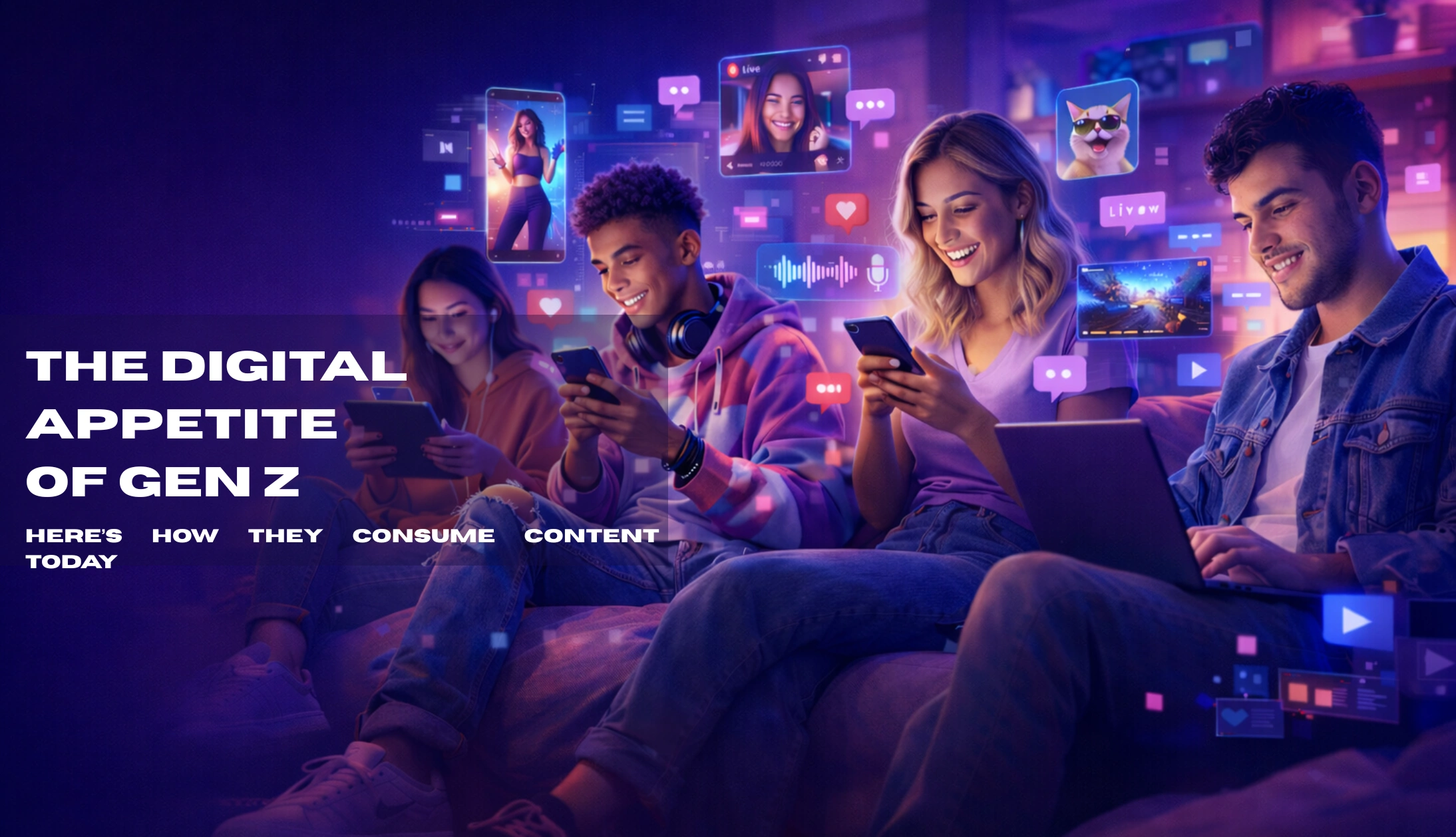
Gen Z is the first generation that never experienced a world without the internet. For them, digital content is not entertainment alone; it’s education, social connection, identity, and discovery rolled into one. From short videos and memes to podcasts and livestreams, their content choices shape how platforms evolve and how brands communicate. Understanding Gen Z is no longer optional. Whether you’re a marketer, creator, or business owner, learning how and why this generation consumes content online helps you stay relevant, visible, and trusted in a fast-moving digital space.
Who is Gen Z and Why Their Digital Behavior Matters
Gen Z generally includes people born between the late 1990s and early 2010s. They grew up with smartphones, social media, and on-demand content as the norm, not as innovations. This generation matters because they influence trends far beyond their age group. Their choices shape platform algorithms, content formats, and even how news, entertainment, and shopping work online, and digital marketing strategies. To understand modern media, you first need to understand them. Let’s start by understanding where they spend their time online.
Where Gen Z Spends Time Online Today
Gen Z doesn’t use the internet in one single way. Their time is spread across platforms that serve different emotional and practical needs, entertainment, learning, connection, and self-expression. It means Gen Z digital habits are diversified, and different apps are available to them for that. One category of apps is, social apps. They are not just for scrolling; they are where Gen Z discovers trends, follows creators, learns skills, and even gets news. According to recent data from the Pew Research Center, YouTube, Instagram, and TikTok remain among the most-used platforms for Gen Z, with YouTube reaching over 90% of U.S. teens.
Beyond social apps, Gen Z spends time on streaming platforms, gaming environments, and online communities like Discord or Reddit. They are using AI tools like ChatGPT and Gemini to learn and find the best products to buy. This is why businesses should also use AI for faster and smarter results to target the Gen Z audience.
These spaces offer longer engagement and stronger community bonding than traditional social feeds. This mix of platforms defines Gen Z online content consumption, where entertainment, information, and interaction often happen at the same time.
The Content Formats Gen Z Prefers Most
Gen Z’s content appetite is fast, visual, and flexible, but it is not shallow. They don’t reject depth; they reject boredom. For them, how content is presented matters just as much as what it says. Here is what type of content they prefer.
- Short-Form Video Dominates Attention
Short videos work because they deliver value quickly. A 30-second clip can teach a quick tip, share a funny moment, or explain a complex idea in a simple way. Vertical videos with captions, background music, and storytelling perform best because Gen Z mostly watches content on mobile, often without sound.
For example, a creator explaining “how to save money in college” in a 45-second video with on-screen text and real-life examples is far more engaging than a long written post. These videos are easy to consume, easy to share, and perfectly suited for algorithm-driven platforms.
- Long-Form Content Still Has a Place
While short content grabs attention, long-form content keeps it when the topic truly matters. Gen Z will happily watch a 30-minute YouTube video, listen to a one-hour podcast, or read a detailed thread if it helps them learn something useful or feel understood.
For example, a detailed video on “how to start freelancing,” a podcast about mental health experiences, or a step-by-step tutorial on learning a new skill can hold their attention for hours. The key is relevance, honesty, and clarity, not length. This balance shows the digital preferences of Gen Z clearly: they like quick discovery through short content, followed by deep engagement when the content earns their interest.
What Gen Z Looks for in Online Content
Gen Z doesn’t consume content passively. They mostly evaluate it quickly and emotionally. Here is what they look for in online content.
- Authenticity Over Perfection
Highly polished ads feel less trustworthy to this generation. Content that feels honest, unfiltered, and human performs better, even if it’s imperfect.
- Value, Not Just Entertainment
Gen Z favors content that teaches something, solves a problem, or reflects real-life experiences. According to a 2024 Deloitte study, over 60% of Gen Z consumers say they engage more with content that feels useful or relatable rather than purely promotional.
- Representation and Values Matter
This generation supports creators and brands that align with their values, including inclusivity, mental health awareness, and social responsibility. These expectations strongly influence Gen Z online content trends, shaping what goes viral and what fades.
How Gen Z’s Attention and Consumption Patterns Work
Gen Z’s attention style is often misunderstood. They don’t lack focus; they just decide very quickly what deserves it. Their content consumption is shaped by mobile usage, busy schedules, and constant access to information.
- Short, Frequent Content Sessions
Gen Z usually consumes content in short bursts throughout the day. This might be while commuting, waiting in line, between classes, or before going to bed. Because of this, content that delivers value within the first few seconds performs best. For example, a video that clearly shows “what’s in it for me” within the first 3-5 seconds is more likely to be watched till the end than one that takes time to build context.
- Selective but Deep Attention
While Gen Z scrolls fast, they stop instantly when something feels relevant. If a post solves a problem, explains a concept clearly, or feels emotionally relatable, they will rewatch it, save it, or share it. For instance, a quick clip about managing anxiety or learning a practical skill can hold their attention far longer than generic entertainment.
How Gen Z Discovers New Content and Creators
Gen Z rarely searches for content the traditional way. Discovery happens naturally as they scroll, watch, and interact with platforms that learn their preferences.
- Algorithm-Led Content Discovery
Most new content Gen Z sees comes from algorithm-driven feeds like “For You” or “Explore.” These feeds constantly introduce new creators based on watch time, likes, comments, and past behavior. This means even small creators can reach Gen Z audiences if their content is relevant and engaging; follower count matters less than content quality.
- Social Proof and Peer Influence
While algorithms introduce content, trust often comes from people. Gen Z pays close attention to comments, shares, duets, and recommendations from friends. For example, a video feels more credible when it has real discussions in the comments or is shared by someone they trust. Discovery may start with an algorithm, but connection is built through community signals.
How Gen Z Interacts with Brands and Advertising
Gen Z doesn’t hate ads; they hate irrelevant ads. They like to interact with brands that do not just want to sell their products but also deliver value and trust. They respond better to creator-led promotions, storytelling, and native content than direct sales messages. It shows that social commerce comes naturally to them.
This is why shopping through social platforms feels intuitive, especially when products are demonstrated authentically by creators they trust. A report by Insider Intelligence notes that Gen Z is more likely than older generations to purchase directly from social media when content feels genuine.
What Creators and Brands Can Learn From Gen Z
Understanding Gen Z isn’t about copying trends; it’s about respecting how they think. For this, exploring Gen Z’s online behavior is a must. Here is what you can do to learn from them and use that learning for business growth.
- Create with Them, Not Just for Them: Encourage interaction, remixing, and participation because Gen Z values co-creation. Also, focus on vibe marketing because it’s a new way of interaction popular among the young generation.
- Measure Engagement, Not Vanity Metrics: Measure engagement by comments, saves, shares, and watch time because all matter more than follower counts.
- Stay Flexible and Experimental: Trends change fast, so be aware of Gen Z content consumption patterns. Testing, learning, and adapting are essential to keep pace with evolving trends.
Gen Z’s Digital Appetite Shapes the Future
Yes, Gen Z is redefining how content is created, shared, and valued online. Their digital appetite is driven by authenticity, relevance, and connection, not noise or over-polish. For brands and creators willing to listen, adapt, and experiment, Gen Z offers an immense opportunity. The future of digital content belongs to those who understand not just where Gen Z clicks, but why they care.