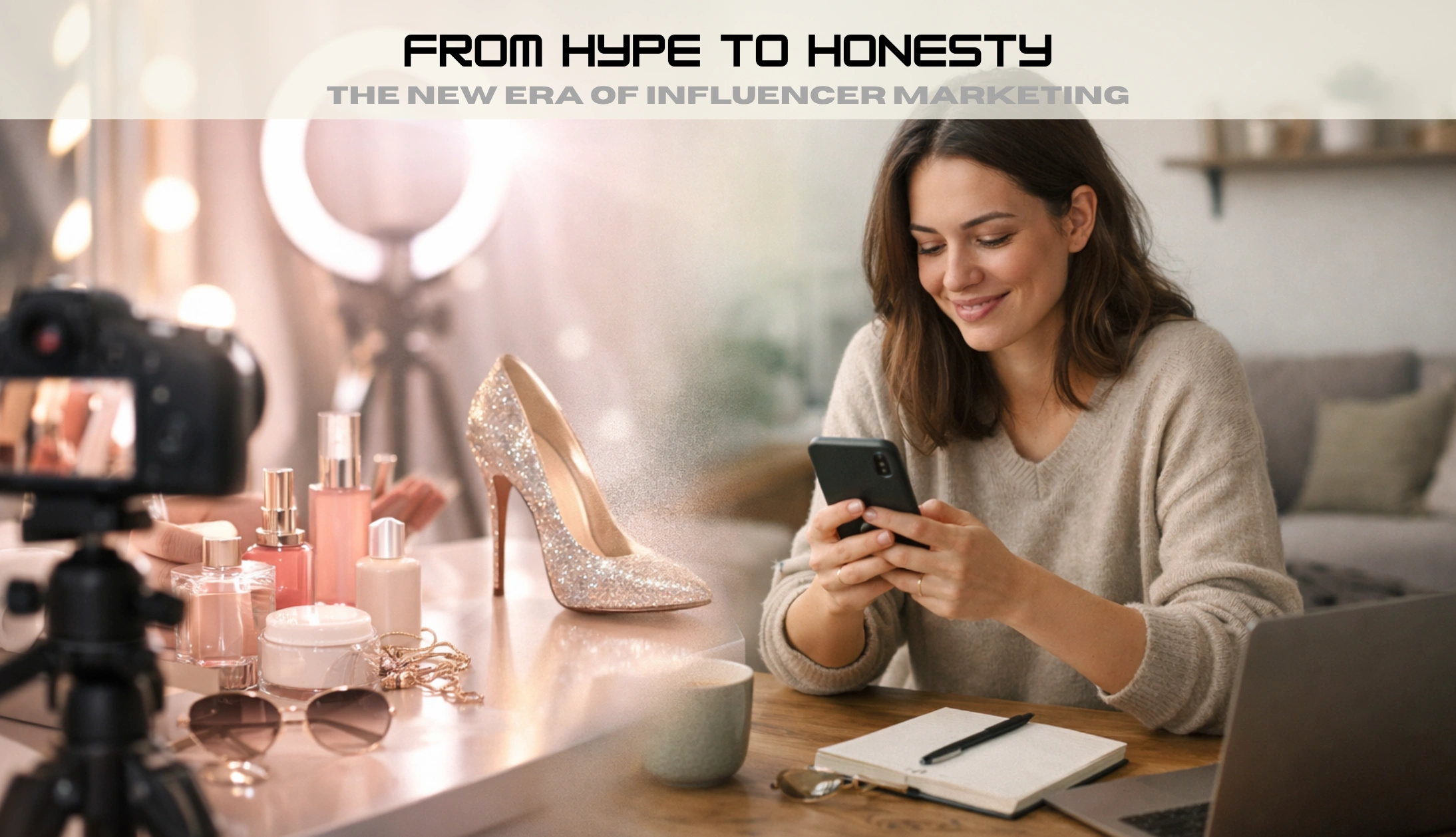
Influencer marketing isn’t what it used to be! The days of endless ‘haul videos’ and perfect product plugs are fading fast. Consumers want real talk. They are tired of being sold to and now want honesty, and are asking tougher questions. Enter ‘de-influencing.’
It’s a counter-movement where creators share what not to buy, why something didn’t work, or what’s truly worth your money. But, this isn’t bad news. In fact, it’s a golden opportunity for brands to shift from pushing products to building trust.
In this blog, we will explore what de-influencing means, how businesses can adapt, and why it is good for long-term growth.
What is De-Influencing?
De-influencing is when an influencer says, ‘don’t buy this’ instead of ‘you need this’. They call out overhyped products that don’t live up to the buzz.
- Why It Started? It’s a response to influencer fatigue when followers feel like everything is just an ad. It helps people save money and make smarter choices. It’s not anti-shopping, but pro-truth.
- When It Started? The de-influencing trend started on TikTok with over 750 million views and counting, where creators begin to share honest reviews and what not to buy. It quickly spread across Instagram, YouTube, and other social media platforms.
- Who Are The Target? Gen Z and Millennials led the charge, demanding real talk over paid hype, making it a mainstream movement in social media marketing. And with AI-generated content increasing the noise, real voices stand out.
- Why It Works? When a creator says, ‘This viral mascara isn’t worth it, ‘ people listen and trust. Followers appreciate creators who protect their wallets and not just promote the products. Similarly, brands can embrace this honesty to create a ‘stand-out image’ in the crowded market.
Why Does It Matter:
- It helps push back against fake endorsements and overconsumption.
- It helps audiences feel seen, respected, and informed.
- It encourages brands to be more transparent and value-driven.
- It helps build a culture of smart spending and authentic recommendations.
- It creates a shift from focusing on selling to serving the audience’s real needs.
💡 There is a 43% rise in product information searches via social media since 2025 [source: GWIReport].
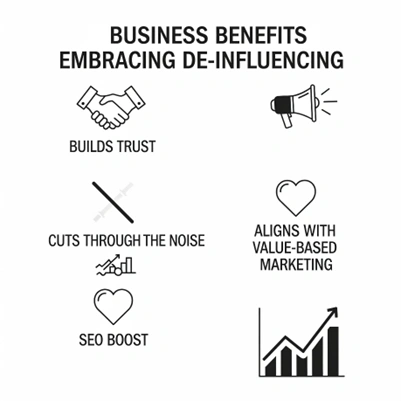
How Business Can Benefit From Embracing De-Influencing?
The new mindset is to shift from being pushy, i.e., ‘buying everything’, to being purposeful, i.e., ‘buy what fits you’. So, a business must focus on being a helpful guide, build trust by sharing real info, not just polished ads, and let their brand be a resource, not a billboard. Here’s how:
1. Build Trust:
Authenticity wins! People stick with brands that keep it real and honest reviews, even with flaws, which makes your product more believable. Brands should opt for transparent sponsored content to build credibility. Once customers see you as a trusted voice, you will be able to build long-term loyalty, starting with truthful storytelling.
2. Cut Through The Noise:
De-influencer posts often perform better than traditional promos, as ‘don’t buy this’ sparks a curiosity and real engagement. You get thoughtful comments, people ask questions, share opinions, and connect deeply. This creates a meaningful reach and interaction.
3. Aligns With Value-Based Marketing:
Make sure to show that your brand cares about people, not just profits. You can highlight quality, sustainability, and affordability while positioning yourself as an ethical and customer-first company. This will help you build a brand that reflects real values.
💡 Note that customers like supporting businesses that stand for something.
4. SEO Boost Via Authentic Content:
Honest reviews and real talk rank better in search engines and create better backlinks and shares. User-generated content builds organic traffic that leads to repeat visits and stronger loyalty. You won’t just be selling, but building a community.
How Business Can Use De-Influencing For ‘Re-Engaging’ Strategically?
These smart moves by your business in the digital space can build trust in a skeptical market:
1. Embrace Radical Transparency:
Partner with honest influencers who give balanced reviews and not just praise. For example, ‘this skincare cream works great for dry skin but not for oily skin types.’ Make sure to reach out to creators who highlight the real strength of your product and do not make exaggerated claims.
Authenticity > Perfection
As a brand, encourage pros and cons in reviews to let the audience trust imperfections more than polish. When asking for sponsoring, make sure your sponsored content is labeled clearly so people know what’s paid and what’s personal.
Tip: Avoid over-editing messages. Today’s buyers are smart enough to spot fake hype instantly.
2. Focus On Value, Not Just Trends:
Show how your product solves real problems and does not just follow fads. For instance, a fashion brand promotes the durability and timeless design of a jacket, instead of seasonal color. You must reframe your campaign goals from ‘sell more’ to ‘serve better.’
Use social media content to educate your target audience about quality, use cases, and long-term benefits of your products or services. This will position your brand as thoughtful and practical, not pushy.
💡 The hashtag #deinfluencing had over 1.5 billion views on TikTok in 2024, up from 264 million in early 2023 [source: ResearchGate].
3. Leverage The Power Of Micro-Influencers:
Choose to work with influencers who have 10k to 100k followers as they are more relatable and trusted [source: HoffmannMurtaugh]. Micro-influencers drive deeper engagement because their audience feels personally connected. As of the 2025 survey, 69% of consumers trust influencers as they trust friends, and about 50% rely on influencer recommendations when shopping.
Note: Honest reviews from small creators often outperform flashy mega-influencer posts.
4. Monitor & Engage With Criticism:
It is important to respond to negative feedback with humility or humor. This will show that you are listening to your target audience and are willing to improve. Use the criticism as a chance to connect, and not to defend, to build a stronger, loyal fan base and credibility.
💡 Gen Z leads the shift with 44% of them trusting influencers’ product reviews more than ads [source: Tanke].
Is Re-Engaging The New Influencer Playbook?
Influencing marketing is growing up and in today’s digital landscape, re-engagement is the new playbook. Instead of chasing quick clicks and one-off promos, smart brands are building long-term relationships with creators who truly connect with their audience.
Re-engaging means shifting focus from flashy reach to meaningful community building, where the creator shares real experiences and brands support honest conversations to grow trust. With this new approach, businesses can stay relevant, deepen loyalty, and create content that actually resonates with the target audience.
From Hype To Honesty, Your Brand’s Next Move Starts Here
De-influencer is here to stay. It’s a wakeup call for brands to be more real as honesty builds royalty. When you connect with your audience through truth, you create a pro-trust and lasting relationship. People still want great products along with the truth behind them. Smart businesses here will thrive by listening, learning, and leading with transparency.
In a world full of filters and AI-generated hype, make authenticity your brand’s superpower.